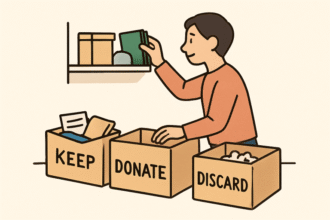

Making big changes in life can be hard. Whether you’re choosing a new school, moving to a different job role, or changing your goals, change takes courage. One kind of change many people talk about today is switching 2nd. This means making a shift in your second option—whether that’s your second career, second try, or even switching focus in school or life. Sometimes, your first plan doesn’t work the way you hoped. That’s perfectly okay. What matters most is how you respond. Switching 2nd isn’t a failure—it’s often the smartest thing you can do. In this article, we’ll talk about why people consider switching their second choice, when it’s a good idea, how to do it with confidence, and what it feels like after making the switch. We’ll keep it simple, helpful, and friendly, just like chatting with a friend who’s been there. Whether you’re a student, a worker, or someone figuring things out, this guide will give you valuable insights and tips.
What Does Switching 2nd Really Mean?
Let’s start by understanding what switching 2nd means. It’s not always about second place. It could be changing your second choice in school subjects, switching careers after your first didn’t work out, or even rethinking your Plan B when Plan A didn’t succeed. For students, it might mean transferring into a different class or stream after testing the waters. For adults, it can mean changing your second job, side hustle, or interest that once seemed like a backup. It’s all about making smarter choices once you have a bit more life experience. Switching 2nd means you’re giving yourself another chance in a new direction that feels better for your life today. It’s not quitting. It’s growing.
Why People Choose to Switch 2nd
There are many good reasons why someone might try switching 2nd. Maybe your backup plan no longer brings joy. Maybe your second major in college feels too hard, too boring, or simply not right for you. Some people switch because their goals have changed. Others do it because they’ve learned new things about themselves. It’s common to pick a path when you’re younger, only to realize later that it doesn’t fit anymore. And that’s okay! Life is full of learning. Switching 2nd is often a sign that you’re thinking smarter, not giving up. It’s about making choices that lead to success and happiness—even if it means changing direction.
Common Signs You Should Consider Switching 2nd
It’s not always easy to know if you’re on the wrong path. But there are signs that tell you it might be time to switch. If you’re constantly feeling stressed, bored, unmotivated, or confused about your second option, that could be a clue. If you dread going to work or class, or if your grades or job performance keep slipping, those are also signs. Maybe you’re not excited anymore, or you feel like you’re missing out on something better. When your “backup” feels more like a burden, it’s worth thinking about. Switching 2nd isn’t always about starting over. Sometimes it’s just a small adjustment in the right direction to help you thrive.
The Positive Side of Switching 2nd
It’s easy to feel scared or guilty when changing your path. But here’s the good news: switching 2nd can be amazing. It’s a chance to reset your goals and focus on what truly matters. Many people find out that their second choice becomes their best choice once they give it a fair chance. You might discover new talents or passions. You might save time by preventing future mistakes. Best of all, you gain confidence by taking control of your path. Every time you make a strong decision for yourself, you grow. Switching doesn’t mean you failed. It means you’re learning—and that’s always a good thing.
How to Know If You’re Ready for Switching 2nd
Still unsure if switching 2nd is the right move? Ask yourself a few simple questions. Are you excited to start your day or are you always wishing it was over? Does your second option align with the life you want in the future? Have you outgrown your original plan? Do you feel curious or energized when thinking about a new direction? If you keep answering “yes,” it may be time to take the leap. It’s also helpful to talk with a trusted friend, teacher, or career coach. They can help you see things more clearly. When your heart and mind start pointing in the same new direction, it’s usually a good sign you’re ready.
Planning Ahead Before Switching 2nd
Before making a move, it’s smart to plan carefully. Start by listing the pros and cons. What will you gain by switching? What might you lose? Think about time, money, effort, and emotions. Make sure the new choice brings you closer to your long-term vision. If you’re in school, talk to a counselor. If it’s a career switch, look up job trends and required skills. Try small steps first—like taking a class, volunteering, or shadowing someone in your new field. Switching 2nd is easier when you do your homework ahead of time. With planning, your switch becomes a step forward, not just a side step.
Personal Stories: Real People Who Switched Their 2nd and Thrived
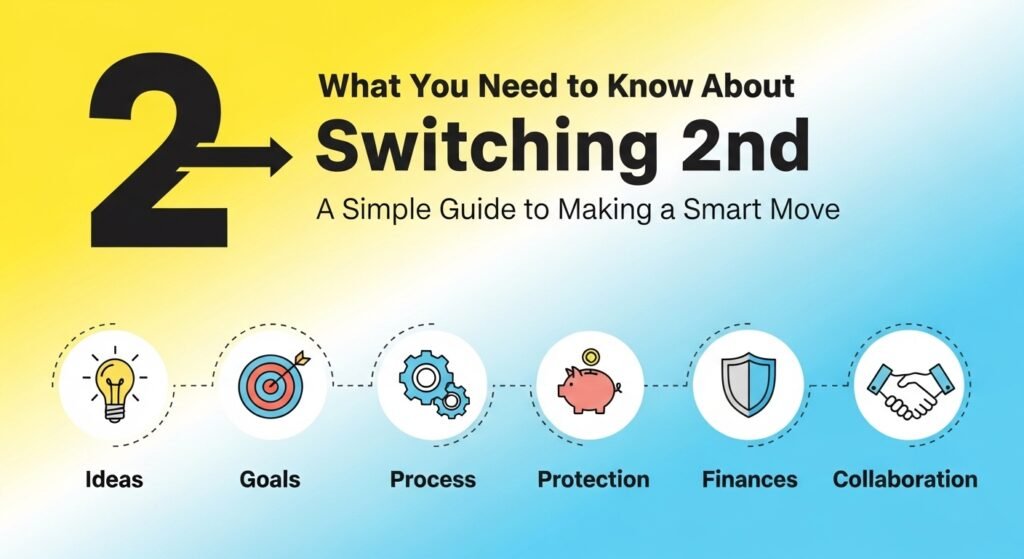
Let’s look at a few inspiring examples. Sarah was a college student studying science, but her second major was marketing. After two years, she realized she loved helping people and switched to psychology. Now she runs a therapy center. Or take Daniel, who worked in construction but had graphic design as a side skill. When his side gigs started growing, he made the switch full-time. Now, he has his own business. These real stories show that switching 2nd is often the door to something amazing. The key is listening to yourself and being brave enough to change.
Common Fears About Switching and How to Overcome Them
Many people fear being judged or failing after they switch. It’s normal. You might wonder, “What if I regret this decision?” or “What will my parents or friends think?” These fears are real, but they shouldn’t stop you. Start by reminding yourself why the change is important. Remember, you’re switching for you, not to please others. Talk about your fear with someone you trust. Often, just saying it aloud makes it smaller. Also, look at the worst-case scenario—usually it’s not as bad as we imagine. Switching 2nd takes courage, but once you move past fear, you unlock possibilities that were waiting just for you.
Things to Avoid When Switching 2nd
When thinking about switching 2nd, be careful not to rush. Don’t make big changes out of anger or stress. Take time to reflect. Avoid making decisions based only on what friends or social media say. What works for someone else may not work for you. Also, don’t ignore facts. Do your research. Know what skills or courses the new direction needs. Avoid burning bridges, too. Be respectful when leaving a group, team, class, or job. You never know when you might cross paths again. Smart switching means starting your new journey with a strong, graceful goodbye to the old one.
How to Celebrate Your New Chapter After the Switch
Once you’ve made the switch, take time to celebrate. Even small actions matter. Share the news with someone who supported you. Write about your journey in a journal or draw your vision for the future. Reflect on how far you’ve come and how strong you’ve been. Every time you choose growth, you build a better life. Switching 2nd is something to be proud of. It takes wisdom, maturity, and belief in your future. Mark the moment. Light a candle, go on a walk, or treat yourself to a favorite snack. Big or small, celebrating turns the end of one chapter into the joyful start of a new one.
Can Switching 2nd Lead to a Better Life?
Yes, it can. Many success stories start with someone brave enough to switch paths. Life is too short to stay stuck in something that no longer fits. While comfort zones feel safe, they don’t always help you grow. When you’re willing to explore new options, you open the door to better experiences, better learning, and more joy. That’s what makes switching 2nd such a powerful move. It’s more than a change. It’s a chance to build the life you’ve been dreaming of. You never know what’s waiting until you take that first step.
Conclusion
We all have times when life asks us to rethink, redo, or start fresh. That’s not a failure—it’s part of the human journey. Switching 2nd is a smart, brave step that shows you care about your future. It means you’ve learned, grown, and chosen wisely. Whether you’re moving to a new major, job, or direction in life, trust yourself. Honor your story and be proud of every step you take. Life isn’t about getting everything right the first time. It’s about turning your second chances into stronger choices. So go ahead—switch your 2nd, and build something even better. Your new beginning starts now.
FAQs
1. What is switching 2nd in simple words?
It means changing your second plan, option, or focus because it no longer fits your goals or interests.
2. Is switching 2nd a bad thing?
Not at all! Switching can be smart. It means you’re growing, learning, and choosing what’s right for you.
3. How do I know if I should switch?
If you feel bored, unmotivated, or unhappy all the time, it might be worth exploring new options.
4. Will people judge me for switching?
People might have opinions, but your choices are for you, not them. What matters most is your happiness.
5. Should I quit right away when switching 2nd?
No. Plan ahead first. Learn about your new choice, and make sure the switch fits your long-term goals.
6. Can switching 2nd help my future?
Absolutely! Many people find better careers, relationships, and purpose after choosing to switch paths.