
Want a beautiful yard that doesn’t harm the environment? By rethinking how you care for your lawn, you can create a vibrant, green landscape that minimizes waste and pollution. Whether you’re looking for expert New Jersey lawn care or simply adopting greener habits in your own backyard, these tips will help you conserve resources, protect pollinators, and elevate your curb appeal sustainably.
Sustainable lawn care is a blend of science, smart technology, and an appreciation for local ecology. Swapping out harmful chemicals for organic alternatives, optimizing water use, and selecting native vegetation means your yard will require less maintenance while supporting biodiversity and local wildlife.
Choose Native Plants
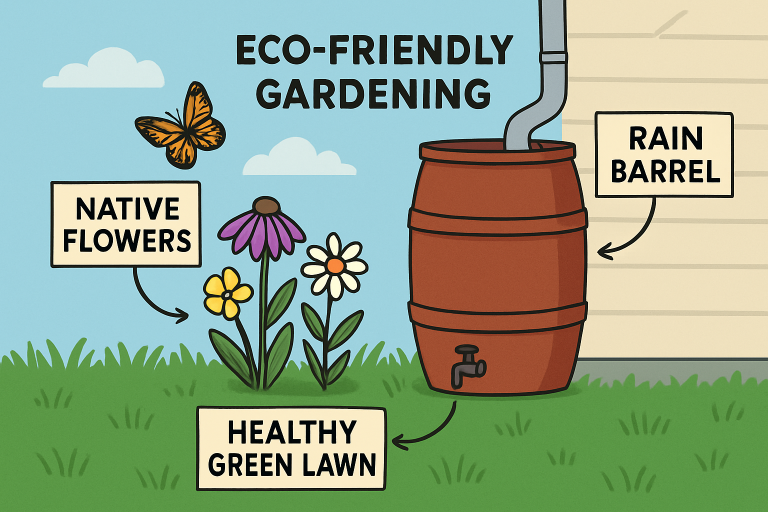
Native plants form the foundation of sustainable landscaping. Because these species evolved within your particular climate and soil type, they need less water, fertilizer, and pesticides. By creating flowerbeds or borders with native perennials and grasses, homeowners can offer nectar and habitat for local pollinators such as bees and butterflies. The use of regionally adapted plants also helps prevent the spread of invasive species while improving the overall landscape’s resilience.
For instance, in the northeastern United States, integrating coneflower or bee balm in your garden can attract pollinators and thrive with minimal human intervention. Additionally, replacing sod with patches of native wildflowers can create a visually stunning, environmentally friendly yard that withstands local weather conditions.
Water Efficiently
Effective water conservation is a crucial part of sustainable lawn care. Lawns are often overwatered, leading to unnecessary water waste and, in some cases, damage to plant health. Adjust your watering schedule to early mornings or late evenings to reduce evaporation, and use drip irrigation systems to deliver moisture straight to the roots—saving up to 70% more water compared to overhead sprinklers.
Rain barrels are an excellent addition, especially in areas prone to drought or strict watering schedules. Collecting rainwater not only keeps your landscape healthy during dry spells but also reduces your water bill.
Embrace Organic Fertilizers
Traditional synthetic fertilizers may boost green growth quickly, but runoff can harm local waterways and disrupt ecosystems. Sustainable lawns rely on organic fertilizers, like compost made from kitchen scraps and yard clippings, which naturally feed soil microorganisms and improve soil structure.
Incorporating compost not only adds nutrients but also helps soil retain moisture and reduces overall chemical dependence. Many garden centers now offer a variety of natural soil amendments, including bone meal and seaweed emulsions, that can be tailored to your specific grass or plant needs.
Mow Responsibly
The way you mow your lawn affects its long-term sustainability and appearance. Cutting grass slightly taller, 2.5 to 3 inches high, allows for deeper roots, greater drought tolerance, and natural weed suppression. Switching to electric or battery-powered mowers can reduce emissions and neighborhood noise.
Allowing grass clippings to decompose right on your lawn returns vital nutrients to the soil and saves time on cleanup. This practice, known as grasscycling, also helps shade the soil, keeping it cool and moist even during summer heatwaves.
Implement Natural Pest Control
Relying less on chemical pesticides protects your soil, water, and beneficial garden insects. Encourage natural pest control by inviting helpful insects like ladybugs, lacewings, or birds into your landscape. Planting a variety of species, or companion planting, makes it harder for pests to spread, while neem oil and insecticidal soaps offer organic alternatives for targeted treatment.
Integrated Pest Management (IPM) blends monitoring, physical controls, and selective treatments, ensuring you intervene only when necessary and always with minimal environmental impact.
Reduce Lawn Size
Large expanses of turfgrass demand intensive watering and fertilization. By reducing the size of your turf and replacing it with meadowscapes, groundcovers, or native flowerbeds, you cut down on maintenance and create havens for wildlife. Xeriscaping, landscaping designed to minimize water use, is particularly effective in dry climates and can be tailored for all regions with local plants and mulches.
A smaller lawn area means less mowing and fertilizing, plus more time to enjoy a thriving, diverse garden ecosystem right outside your door.
Integrate Smart Technology
Modern technology can elevate your sustainable lawn care efforts with efficiency and precision. Smart irrigation controllers, powered by weather data and soil sensors, only water when necessary, adapting automatically for rainfall and drought conditions. Solar-powered robotic mowers trim your lawn quietly and with zero emissions, freeing up your weekends and reducing your carbon footprint.
Over time, integrating these tech solutions saves water, energy, and expenses, making sustainable lawn care easier than ever before.
Practice Grasscycling
Grasscycling means letting grass clippings remain on the lawn after mowing. These finely chopped clippings break down quickly, returning essential nitrogen and organic matter to the soil. This natural fertilization process reduces the need for commercial fertilizers and helps the lawn retain moisture, promoting stronger, greener turf.
Modern mulching mowers are designed to chop clippings into small pieces, ensuring fast decomposition and a cleaner lawn. Adopting grasscycling not only supports your lawn’s health but also reduces yard waste sent to the landfill.
Choosing more thoughtful, eco-conscious lawn care means your yard can flourish for years to come while protecting the local environment and even saving you time and money. Sustainable lawn care is truly a win-win for modern homeowners and nature alike.
Conclusion
Sustainable lawn care empowers homeowners to create beautiful, resilient landscapes while protecting the environment that surrounds them. By choosing native plants, conserving water, reducing chemical use, and embracing smarter mowing and irrigation practices, you can significantly lower your lawn’s environmental impact without sacrificing curb appeal. Small changes like grasscycling, organic fertilization, and natural pest control add up to healthier soil, stronger plants, and thriving local wildlife. With the support of modern technology and eco-conscious habits, today’s homeowners can enjoy a greener lawn that’s easier to maintain, more cost-effective, and better for future generations.