Key Takeaways
- Executive coaching enhances self-awareness and emotional intelligence, thereby improving leaders’ decision-making and relational skills.
- Technologies such as VR and AI personalize and enrich the executive coaching journey.
- Soft skills development, empathy, communication, and adaptability are central to leadership growth through coaching.
- Coaching supports leaders in navigating complex organizational dynamics and interdependencies.
- Mental health and well-being are now essential elements in executive coaching and sustainable leadership.
In today’s swiftly changing business environment, leaders are expected to do more than simply direct teams they must inspire, adapt, and foster lasting organizational growth. As global markets shift and digital landscapes evolve, the role of leadership is no longer confined to overseeing projects and managing budgets. Modern executives are tasked with cultivating vision, navigating unpredictable challenges, and empowering their organizations to be agile. The demand for highly skilled leaders who can address complex challenges has heightened the importance of leadership coaching services, which are reshaping executives’ capabilities worldwide. By addressing the evolving needs of today’s leaders, these coaching programs are designed to unlock both individual and collective potential, ensuring modern teams thrive in uncertainty while charting a clear vision for the future. In short, executive coaching represents a critical investment in talent, culture, and the sustainable growth of every organization.
Executive coaching is transforming leadership development, offering tailored support that goes beyond traditional training methods. Where once leadership programs primarily focused on technical competencies and standardized curricula, coaching today is highly personalized. By focusing on key qualities such as self-awareness, adaptability, and emotional intelligence, coaches empower leaders to build resilient teams that achieve and sustain high performance, even under pressure. The rise of coaching is driven by a recognition that every leader is unique, facing specific challenges and opportunities. The emphasis on a human-centered approach, facilitated by advanced technology and data-driven insights, enables a more personal, impactful growth experience, making coaching an essential tool in the modern leadership toolkit.
Enhancing Self-Awareness and Emotional Intelligence
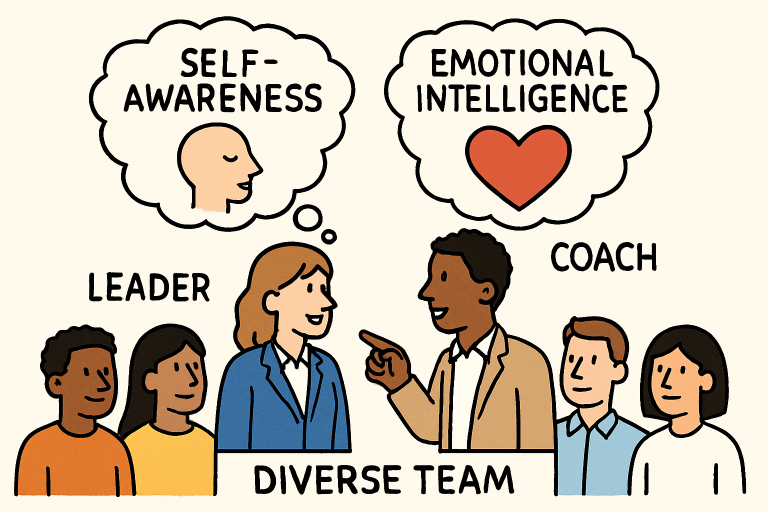
The foundation of excellent leadership rests on deep self-awareness and robust emotional intelligence. Executive coaching provides leaders with structured opportunities to reflect on their strengths, blind spots, and habitual responses. Regular feedback from coaches helps them see themselves more clearly, assess how they show up for their teams, and understand the emotional currents that influence their actions. Through assessment tools, 360-degree feedback, and reflective exercises, leaders uncover core motivations and habitual patterns. Enhanced self-awareness allows leaders to recognize triggers, regulate their emotions, and respond rather than react during challenging situations, all of which are vital for establishing trust and cohesion. These capabilities have become essential as organizations look for leaders who can foster genuine connections and nurture high-performing, purpose-driven teams.
According to Harvard Business Review, high self-awareness directly correlates with better leadership performance, improved workplace satisfaction, and increased profit. Leaders who cultivate emotional intelligence can better interpret social cues and manage relationships with authenticity and empathy. This, in turn, enhances their ability to communicate vision, motivate diverse personalities, and manage conflict productively. When leaders exhibit emotional intelligence, they also foster inclusive, supportive work environments, making employees feel understood and valued.
Integrating Technology into Coaching Programs
As digital transformation accelerates, executive coaching is evolving to incorporate technology-driven modalities that enhance engagement and effectiveness. Platforms utilizing artificial intelligence analyze leadership behaviors, providing leaders with actionable insights tailored to their developmental needs. Virtual reality scenarios immerse leaders in lifelike experiences where they can practice skills such as public presentations or difficult conversations in a safe, simulated setting. This innovative approach allows leaders to experiment and grow in risk-free environments, ultimately boosting confidence and refining critical skills.
Technology not only broadens access by reaching remote or globally distributed teams but also adapts learning to individual pacing and style, maximizing return on investment. AI-driven analytics generate detailed progress reports that illuminate strengths and opportunities for improvement in real time. Tools powered by AI can sift through large datasets, highlighting patterns in communication, decision-making, and emotional tone. This objective data becomes a resource for real-time feedback and goal tracking, sharpening each leader’s focus on what truly matters for their growth journey. As outlined by Forbes, tech-enabled coaching offers a level of customization and immersion previously unimaginable, giving modern leaders a significant edge as they navigate ever-more complex environments.
Focusing on Soft Skills Development
Beyond technical proficiency, the most sought-after leadership qualities today are rooted in soft skills. Executive coaching emphasizes the active cultivation of empathy, adaptability, and advanced communication. In a world where change is constant and team structures are increasingly fluid, these skills enable leaders to keep their teams aligned, motivated, and open to innovation. These traits are especially important for leaders managing multicultural or multi-generational teams, where inclusive decision-making and nuanced understanding can make the difference between stagnation and innovation.
Coaches guide leaders through identifying and mitigating unconscious biases, ensuring that workplace relationships are equitable and respectful. By exploring real-world scenarios and using role-play techniques, coaches help leaders develop constructive feedback habits and conflict-resolution skills. Leaders learn how to listen deeply, delegate wisely, and foster a psychologically safe environment where creativity can flourish. By embedding soft skills training into coaching programs, organizations create a ripple effect leaders set the tone for civility, openness, and shared purpose throughout the team. This focus on human connection and understanding adds a layer of resilience to teams, making them more adaptable to rapid change and disruption.
Supporting Leaders in Navigating Complex Systems
Today’s organizations are complex, with overlapping systems, networks, and invisible interdependencies. Leaders must develop a big-picture view and master systemic thinking the capacity to see how decisions play out across teams, functions, and markets, often in unpredictable ways. Executive coaching helps unravel these complexities, offering frameworks and tools that enable leaders to model scenarios, anticipate unintended consequences, and make informed, strategic choices grounded in a holistic view. Coaches may employ systems mapping and adaptive leadership strategies to help leaders uncover leverage points that drive positive change across their organization’s ecosystem.
Coaches serve as sounding boards, challenging assumptions and guiding leaders in assessing organizational risks and opportunities. This partnership allows leaders to clarify their thinking, reflect on diverse perspectives, and foresee both tangible and intangible impacts of managerial decisions. By fostering a deeper understanding of complexity, executive coaching empowers leaders to act with foresight, strengthening their organizations’ ability to respond to disruption and steer toward long-term objectives. Leaders who master systemic thinking become architects of resilience, capable of guiding organizations through transformation and uncertainty with confidence and integrity.
Emphasizing Mental Health and Well-Being
Increasingly, executive coaching is integrating the principles of well-being and mental health as core components of sustainable leadership. The pressures associated with high-stakes decision-making can lead to chronic stress and burnout, undermining both personal fulfillment and organizational performance. Recognizing this, today’s coaching initiatives address resilience, energy management, and emotional regulation, helping leaders develop practices that sustain long-term vitality and effectiveness. Coaches work with leaders on mindfulness strategies, restorative routines, and stress-reduction techniques to ensure they remain energetic and clear-headed even in challenging periods.
Metrics that measure well-being are now a regular feature in coaching assessments, ensuring that leaders pursue both excellence and balance. When leaders invest in their own health and model holistic success, they inspire their teams to prioritize well-being, resulting in lower turnover, higher engagement, and a flourishing organizational culture. A renewed focus on well-being also fosters an atmosphere of trust and loyalty, positioning organizations to attract and retain top talent in competitive markets.
Conclusion
Executive coaching is a catalyst for transformative, sustainable leadership in the modern era. Through heightened self-awareness, cutting-edge technology, mastery of soft skills, and a focus on well-being, coaching prepares leaders to meet the demands of fast-paced change with confidence and clarity. Organizations that strategically invest in coaching not only unlock individual potential but also reinforce the collective resilience and adaptability essential for long-term impact and growth. As the future of work continues to evolve, executive coaching will remain a cornerstone of competitive advantage helping leaders rise to new challenges while cultivating workplaces where people and profits thrive together.