
Key Takeaways
- Begin with small, achievable tasks to avoid overwhelm and build positive momentum.
- Dedicate regular, specific times for tidying to create lasting habits.
- Apply effective decluttering techniques, such as the KonMari method, to make decision-making easier.
- Engage family members in sharing responsibility and promoting teamwork.
- Develop plans for removing unwanted items to prevent clutter from lingering.
- Routinely review and adapt your decluttering strategies as your needs and lifestyle change.
Decluttering is often viewed as a monumental task reserved for spring cleaning or the occasional burst of motivation. However, integrating decluttering into your regular routine can make it not only manageable but also transformative for your living environment. Being intentional about removing excess belongings helps create calm and keeps your home stress-free. Clutter can subtly affect your daily mood, your productivity, and even your sense of control and comfort within your own space. When you make it a habit, you transform a daunting activity into something routine and almost effortless. If you find yourself overwhelmed by clutter, consider enlisting professional junk removal near me to handle the toughest jobs and provide a fresh start after big clear-outs. Experts agree that professional help can save time, streamline the process, and relieve the emotional burden when larger, more complicated clean-outs are necessary.
Small daily habits can help prevent messes from piling up and make it easier to maintain an organized lifestyle. Rather than waiting for a big event to “reset” your home like a holiday, a party, or a seasonal overhaul, you’ll find that keeping up with clutter every day results in a steadier, more inviting space overall. The key isn’t doing everything at once, but rather building consistent, realistic systems you can stick to over time. When you declutter a little each day, you minimize the effort required at any given time. Once decluttering becomes part of your routine, you’ll notice your space feels lighter, more welcoming, and easier to manage, allowing you to focus on what really matters—spending time with loved ones or unwinding after a long day.
Start Small to Build Momentum
Tackling the whole house all at once may feel impossible, which is why starting with the smallest, least intimidating spaces is often most effective. Pick a single drawer, a closet shelf, or the entryway table for your first session. Focusing on a tiny area gives you an immediate sense of accomplishment, which can inspire you to keep going. As you practice decluttering these bite-sized areas, you’ll build confidence and see immediate results, which fuels momentum to continue old and new habits alike. Try setting a micro-goal, like clearing out your junk drawer or organizing your shoe rack, and celebrate that progress. Experts agree that this “small wins” approach helps prevent both decision fatigue and procrastination over where to begin. When you witness real progress without hours of effort, it breaks the mental barrier that often keeps us from starting in the first place. Over time, these small victories accumulate, creating a snowball effect soon, you’ll be tackling bigger challenges with less hesitation and more motivation.
Schedule Specific Decluttering Times
Building a habit requires intention and consistency. Instead of waiting for motivation to strike, set aside regular times for decluttering—this could be as brief as ten minutes daily or a half-hour each weekend. Consider linking your decluttering session to another established routine, such as tidying while waiting for your morning coffee to brew or sorting mail every Sunday afternoon. Use timers to help keep each session manageable. Setting a short, defined window makes the task feel more approachable, so you’re less likely to put it off due to a busy schedule. When decluttering becomes just another part of your schedule, it stops feeling like a daunting project and starts becoming second nature. Over time, these small increments can lead to dramatic improvements in your home’s organization. Even dedicating just five minutes a day can help prevent clutter from building up over the weeks and months. The key is to be consistent and gentle with yourself missing a session isn’t failure, but developing the pattern makes it easier to resume.
Use Proven Decluttering Methods
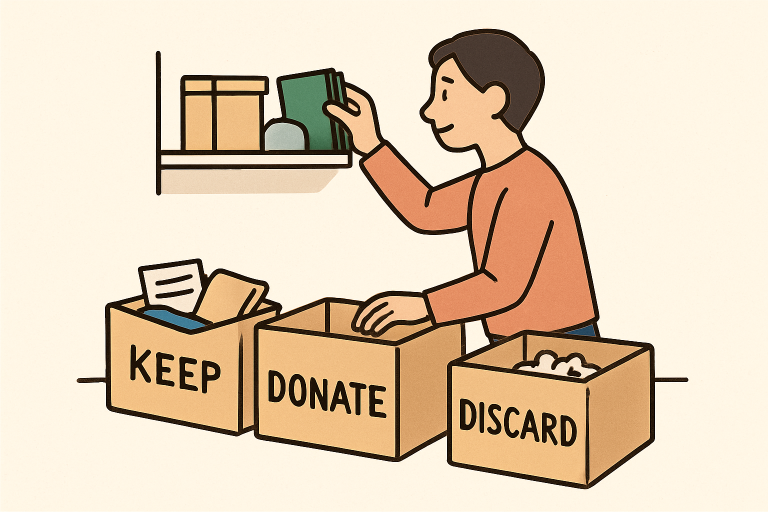
There are many expert-backed methods for simplifying your decision-making so that letting go of items feels less stressful and more logical. The famous KonMari method, created by Marie Kondo, encourages you to keep items that “spark joy” and let go of those that don’t. This mindset not only lightens your load but also creates a more positive connection with the belongings you do keep. Other frameworks include the “Four-Box” method (keep, donate, trash, relocate), which provides a straightforward approach to sorting, or the “20/20” rule, which frees you from keeping things you can replace for under $20 in less than 20 minutes. Minimalist methods often emphasize functional simplicity, asking whether you actually use or need each item. Explore different strategies to find what makes the process easier for you. Sometimes, a structured approach is exactly what’s required to move past indecision. Mixing and matching frameworks can help you stay motivated and keep the process feeling fresh. As you gain experience, you may develop your own system that best fits your household’s unique rhythms and needs.
Involve Family Members
Decluttering is most successful when everyone who shares a space gets involved, as a collaborative approach helps build habits across the whole household. Encouraging children to sort old toys or asking a partner to tackle shared storage areas helps distribute the workload and teaches everyone responsibility for the home environment. Family tasks can be made fun and engaging with simple challenges, music, or rewards for teamwork. Assign age-appropriate tasks so everyone contributes, and celebrate progress together to foster mutual motivation. Involving others creates accountability and ensures everyone’s needs are heard, decreasing the chances of disputes over what to keep or toss. Family participation also helps you decide what to keep based on collective needs rather than individual preferences. Over time, everyone in the home develops a stronger sense of ownership and pride in the shared living space.
Create a Clutter Exit Strategy
Sorting items is only half the battle; you need an actionable plan for getting unwanted stuff out of the house. Items often linger in closets or hallways when there’s no clear plan for their removal. Dedicate a clearly marked donation bin near your entryway, or set regular reminders to deliver items to local charities or recycling centers. Establishing a recurring date on your calendar, such as the first Saturday of every month, can help maintain momentum. For large or cumbersome loads, consider scheduling a pickup with a professional junk removal service to ensure nothing sits around accumulating dust. Streamlining the exit process ensures you don’t lose momentum and keeps your space free from items that no longer serve you. For extra guidance, check out these tips from the Associated Press on properly discarding items. Being proactive about removing items keeps decluttering from feeling like a never-ending process and solidifies your new habits. This approach also helps you feel a sense of accomplishment with each completed task, reinforcing positive behavior. Over time, consistently clearing out unnecessary items makes maintaining an organized home easier and more natural.
Maintain and Adjust Your Habits
Once clutter is under control, keep it that way by making routine assessments and tweaks to your habits. This ongoing maintenance is easier when you’re already used to tidying in small, regular increments. Life changes such as a new job, kids, or even hobbies can shift how and where clutter builds, so don’t hesitate to recalibrate. Regularly review what’s working and what isn’t, and don’t be afraid to adjust your approach if a particular routine starts to lose its effectiveness. Short seasonal check-ins say, at the start of each new season are a great time to let go of outdated items or reorganize spaces as priorities shift. Remember, the goal isn’t perfection but creating a system that keeps your home functional, peaceful, and a reflection of your best self.
When decluttering becomes an ongoing, low-stress part of your life, it can have ripple effects beyond your home. Many people find that clearing physical space makes way for emotional clarity and more time for what truly matters. Studies have linked organized spaces to reduced anxiety and enhanced focus, proving that even small efforts pay dividends for your well-being. Whether you go at it alone or call in help for bigger jobs, the most important step is simply to start—and to keep going, one habit at a time. With a thoughtful approach, anyone can enjoy the lasting benefits of a decluttered, organized home.
Conclusion
In conclusion, making decluttering a regular part of your routine transforms what often feels like a daunting chore into a manageable, even rewarding practice. By starting small, scheduling consistent sessions, involving family members, and implementing proven methods, you can maintain a home that feels orderly, peaceful, and functional. Establishing clear exit strategies for unwanted items and periodically reassessing your habits ensures that clutter doesn’t creep back in. Over time, these consistent efforts foster not only a cleaner space but also greater mental clarity, reduced stress, and more time to focus on what truly matters. Whether you tackle small daily tasks or enlist professional help for larger cleanouts, the key is persistence and intentionality—turning decluttering into a sustainable lifestyle choice.