
Table of Contents
Have you heard the word asbestlint and felt a little confused or worried? You’re not alone. It’s not a word you hear every day, but it’s an important one—especially when it comes to safety at home or work. In simple terms, asbestlint is tiny, dust-like fibers made of asbestos. As small and quiet as they are, they can cause big problems if they’re inhaled or stirred up into the air. Unlike regular dust or lint, asbestlint is dangerous and can lead to serious health risks when not handled the right way. But don’t panic—this guide is here to help. We’re going to talk about what asbestlint is, where it comes from, how to spot it, and most importantly, how to stay safe. Whether you’re a homeowner, a building manager, or someone just curious about health and safety, this article will explain everything in the simplest way possible. Let’s take a deep breath (safely!) and dig into the facts about asbestlint so you can protect yourself and the people around you.
What Exactly Is Asbestlint?
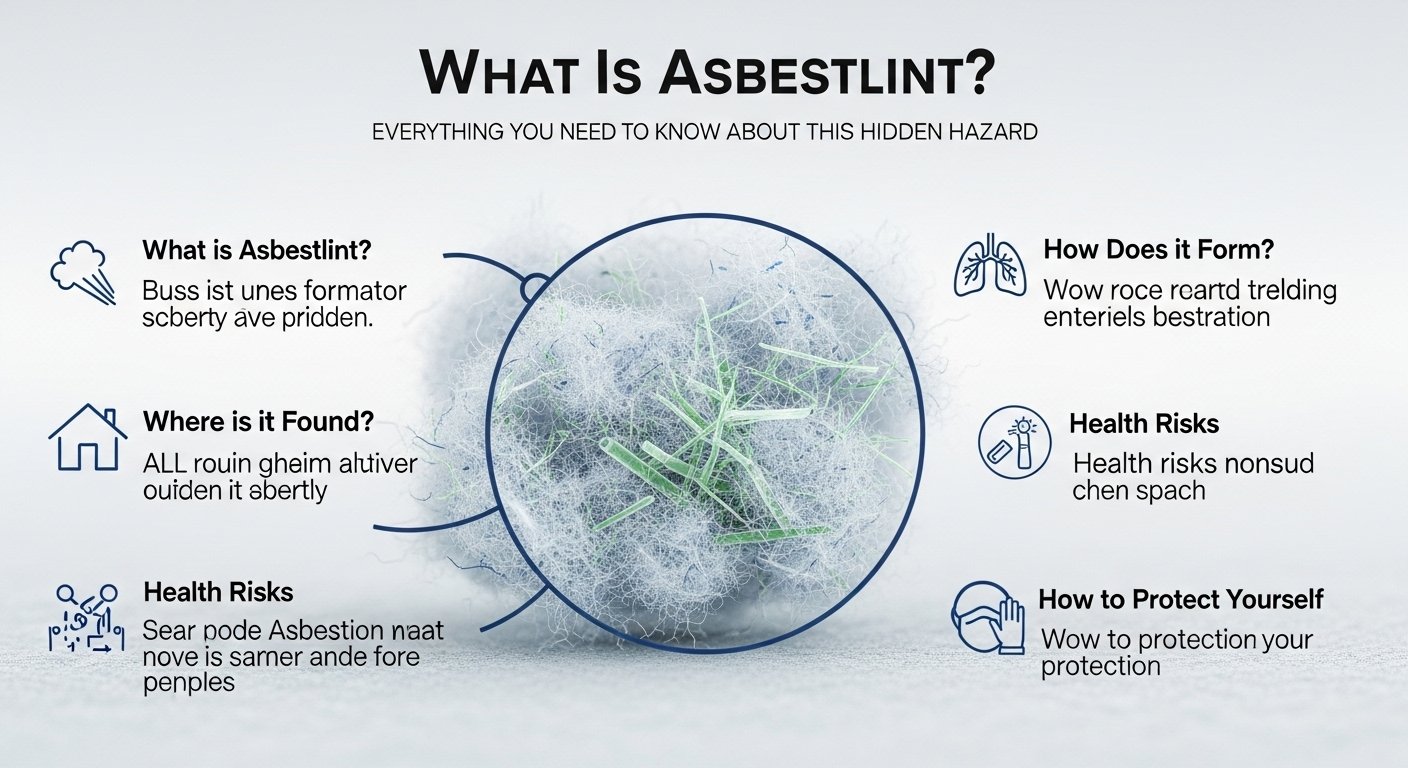
Asbestlint is a word used to describe tiny particles of asbestos that act like lint or dust. Asbestos itself is a group of natural fibers that were once often used in buildings, insulation, ceilings, pipes, and old shingles. It was popular because it doesn’t burn, resists heat, and lasts a long time. The problem? When materials with asbestos get old or broken, they can produce asbestlint—small, light fibers that float through the air and can be breathed in without even knowing. These fibers are too small to see with your eyes, but that doesn’t mean they aren’t harmful. The more of these fibers a person breathes in, the bigger the chance they might suffer from serious health problems later in life. Staying informed is the first step to staying safe.
Where Is Asbestlint Found?
Asbestlint can be found in any place where asbestos-containing materials are present, especially in older homes and buildings. Common places include old floor tiles, ceiling textures, pipe insulation, roofing materials, and wall panels. If the materials break, crack, or wear out with time, that’s when asbestlint can be released into the air. Renovations and home repairs are some of the most common ways people disturb asbestos and accidentally create asbestlint. It’s important to know that even a few small areas of damage can release enough fibers to cause concern. That’s why these tiny fibers are tricky—they hide in things that look harmless but aren’t. Spotting areas of concern early can help prevent the spread of asbestlint and protect the people living or working in the space.
Why Is Asbestlint So Dangerous?
The main danger of asbestlint is that it’s easy to breathe in but hard to get out. Once the fibers enter your lungs, they can get stuck there. Over time, this can cause serious diseases like asbestosis, lung cancer, or mesothelioma. These aren’t common colds—they are long-term, life-threatening illnesses that may not show symptoms until many years after being exposed. Another scary part? You don’t need to be around massive amounts of asbestlint to get sick. Even small exposures over time can be harmful. That’s why experts always recommend treating even the smallest amount of asbestos seriously. Just like we avoid mold or toxic smoke, we need to watch out for asbestlint too. The first step is learning how to prevent exposure altogether.
Health Risks Linked to Asbestlint
When asbestlint enters the lungs, it doesn’t leave easily. Over months or years, the fibers may scar the lung tissues, making it harder to breathe. This condition is called asbestosis, and it can make people feel tired all the time or cough often without understanding why. In more serious cases, it can cause mesothelioma, which is a type of cancer that affects the lining of the lungs or the belly. Sadly, mesothelioma doesn’t have many early warning signs, making it hard to treat. People who worked in construction, shipyards, factories, or older schools are more likely to have been exposed. Families of these workers might also be affected if the fibers came home on clothing. This is why cleaning up or managing asbestlint should only be done by professionals. Your health matters too much to take chances.
What Materials Cause Asbestlint to Form?
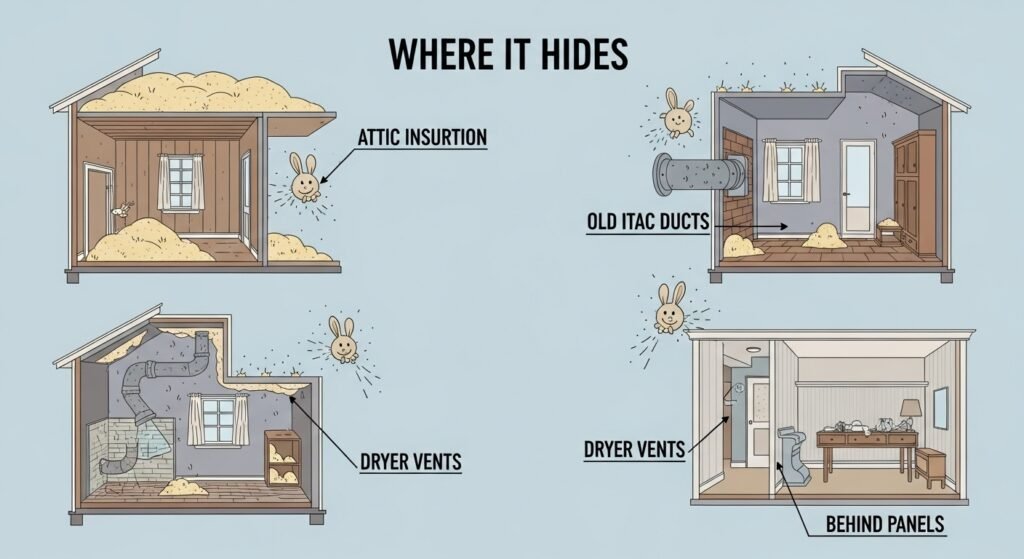
There are many materials that can release asbestlint if damaged. These include vinyl asbestos tiles, loose insulation in attics, cement roofing sheets, old pipe coverings, and sprayed ceilings or walls used for soundproofing. When these items are left alone and in good condition, they don’t usually pose a problem. But once they crack, wear out, or get removed without care, they become a serious risk. Even drilling a simple hole or pulling up old flooring can release hidden asbestlint. Some people try doing these jobs themselves without knowing the risk. That’s when accidents happen. Always double-check with professionals before beginning any demolition or renovation in older buildings. You might be able to avoid creating or spreading asbestlint just by asking the right questions.
How to Tell If You Have Asbestlint in Your Home
Unlike regular dust, asbestlint can’t be seen or touched safely. You won’t know it’s there by just looking at your floors or walls. The only way to know for sure if a material has asbestos is to have it tested by a certified lab. Companies offer asbestos inspection services where samples are taken and examined under a microscope. These tests are affordable and can give a clear answer without putting you in danger. Never try to test the material yourself. You could release harmful dust without knowing it. If your house or building was built before the 1980s, it has a higher chance of containing materials that may form asbestlint. In these cases, getting a proper inspection is a smart move to stay safe.
What to Do If You Find Asbestlint
If you believe asbestlint is present in your home, don’t try to clean it up using a vacuum, cloth, or sweeping. That can spread the fibers even more. Instead, keep the area sealed off and call a licensed asbestos removal company right away. These professionals wear special suits, use air filters, and follow strict safety rules to make sure the fibers don’t spread. Don’t allow pets or children near the affected space. If possible, stay away from the building until experts say it’s safe. Trying to clean up asbestlint on your own may seem like a money-saving option, but it often leads to bigger problems—medically and financially. Playing it safe is always the better choice when dealing with toxic dust like this.
How to Prevent Asbestlint Exposure
The best way to prevent asbestlint exposure is to avoid disturbing materials that may contain asbestos. Start by learning if your building is old enough to have asbestos-containing components. If it is, never cut, sand, drill, or move anything that looks suspicious. Even small activities like hammering a nail into an old popcorn ceiling can be dangerous if asbestos is involved. Always have an inspection before starting renovation work. If asbestos is found, hire professionals to either remove or encapsulate it. Encapsulation means sealing the asbestos inside a protective barrier so fibers can’t get out. Also, make sure your attic, basement, and utility rooms are in good condition and checked regularly. It’s better to be safe today than sorry tomorrow.
Hiring Professionals for Asbestlint Removal
Only trained and certified professionals should handle asbestlint cleanup. These experts know how to test the air, seal off rooms, and safely remove contaminated materials. They also follow government guidelines, wear protective gear, and dispose of asbestos waste in approved locations. The cost may seem high at first, but it saves lives and prevents expensive health care bills later. Many cities even offer help for testing or removal costs if it’s a health concern. Never trust a handyman or basic contractor unless they specialize in asbestos removal. Handling asbestlint the wrong way can make matters worse. Always ask for licenses, reviews, and proof of qualifications before letting anyone near possible asbestos. Your safety should never be left to chance.
Asbestlint in Schools and Workplaces
Many older schools and office buildings still have materials that could release asbestlint. In fact, school districts across the country deal with this problem every year. If you’re a teacher, parent, or staff member, don’t hesitate to ask your building management if asbestos inspections are up to date. Safety in shared spaces is everyone’s business. Laws in many areas require buildings with asbestos-containing materials to be monitored and maintained properly. That includes having asbestos management plans and showing proof of safe conditions during renovations. Whether you’re at work or school, it’s okay to speak up if you believe unsafe materials are being disturbed. It’s not just about you—it’s about everyone who walks through those doors every day.
Common Myths About Asbestlint
There’s a lot of misinformation out there about asbestlint, but let’s clear up a few big myths. One big myth is “asbestos is banned, so there’s nothing to worry about.” The truth? Asbestos is still legally used in some countries and may still exist in many older buildings. Another common myth is that newer homes are safe—even homes built in the 1990s or early 2000s could have leftover asbestos products. People also assume it’s safe to remove asbestos on your own if you wear a mask—not true. Without the proper gear, training, and removal process, it’s still dangerous. Clearing up these myths helps everyone make smarter, safer choices at home and on the job.
FAQs
1. What is asbestlint exactly?
Asbestlint refers to tiny, dust-like asbestos fibers that become airborne when old materials break or wear down.
2. Can I see or smell asbestlint?
No. Asbestlint is invisible and doesn’t have a scent, which makes it very hard to detect without testing.
3. Is asbestlint only in old houses?
It’s mostly in older homes built before the 1980s, but some newer buildings can still contain asbestos materials.
4. Can I clean asbestlint myself?
No. Cleaning asbestlint without training can spread it further and increase the risk of inhaling dangerous fibers.
5. How do I know if something creates asbestlint?
Only a professional inspection can confirm whether a material contains asbestos and poses a danger.
6. Does short-term exposure to asbestlint cause harm?
Even short exposure can be risky. Long-term risk depends on how much you inhale and for how long. Always be cautious.
Final Thoughts
Asbestlint might be invisible, but the risks it carries are very real. The good news is, with the right knowledge, it’s easy to avoid exposure and stay safe. Whether you’re planning a home project, buying an old house, or just learning how to protect your family, being informed is the smartest first step. Don’t let the small size of these fibers fool you—they have the power to affect your health for years. So take care. Stay alert. And never be afraid to ask for help if you think you’ve found asbestlint. Share this information with your loved ones, talk to your employer or building manager, and encourage testing in older spaces when needed. You can’t control everything in life, but you can control how you handle hidden hazards like this one. Stay safe, stay informed, and remember—being proactive today can protect your tomorrow.