

Buying a home comes with many important steps. One of the most important ones is making an offer on a house you love. At that point, many people ask the big question: Who delivers your offer to the seller framework? It’s a good question because the offer process includes multiple people, clear paperwork, and legal timing. in this guide, we will make the full offer process easy to understand. We’ll show you how the offer is created, who delivers it, and what happens next. If this is your first-time home buying experience, don’t worry. We’ll explain each step using simple, friendly language. let’s explore the complete who delivers your offer to the seller framework so you can feel more confident when it’s time to make your move.
What Does “Delivering an Offer” Mean in Real Estate?
In real estate terms, “delivering an offer” means sending your written proposal to the seller. This proposal tells the seller how much you want to pay, when you want to close, and what your other terms are. It also includes important legal rules that protect both you and the seller.
Delivering the offer is more than just hitting “send.” It’s a formal process that must follow state laws and agreed-upon timelines. That’s why understanding the who delivers your offer to the seller framework is helpful. Different people—like agents, lawyers, and buyers—may be part of the process depending on how the deal is set up.
Who Typically Writes the Offer?
The person who writes the offer is usually the buyer’s real estate agent. They work closely with the buyer to go over the price, terms, conditions, and special requests. The agent fills out a legal document known as a purchase agreement, which may be several pages long. It includes details like earnest money, loan type, and how much time the seller has to respond.
Before anything is delivered, the buyer reviews and signs it. Digital signing is very common now, which saves time. Once the document is signed, it’s ready to move to the next step of the who delivers your offer to the seller framework—delivery.
Who Delivers Your Offer to the Seller Based on the Framework?
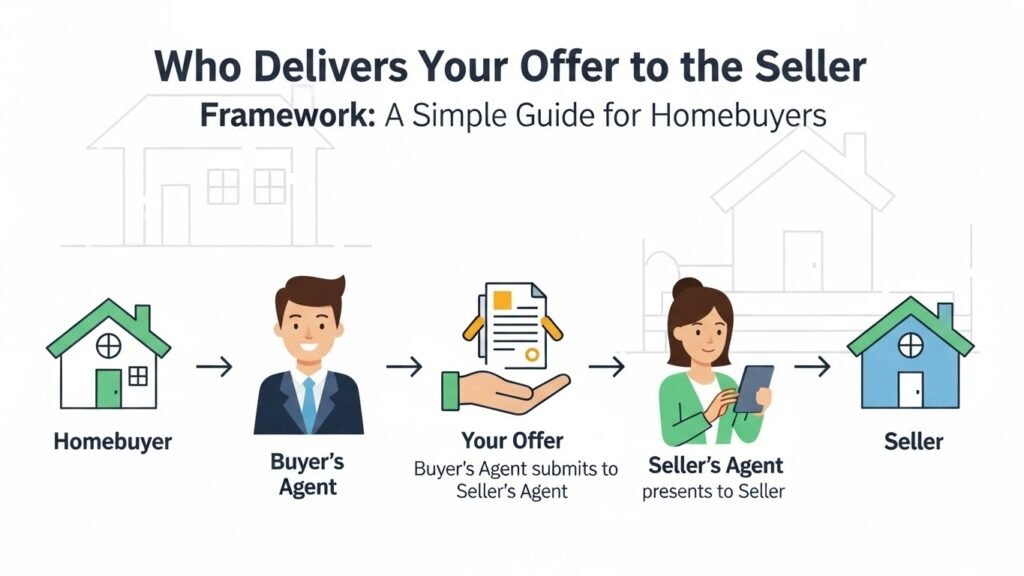
In almost all real estate deals, the buyer’s agent delivers the offer to the seller’s agent. This is the heart of the who delivers your offer to the seller framework. The buyer never directly contacts the seller unless the sale is private or “For Sale by Owner.”
The offer is usually sent through email, a digital signing tool, or a professional listing service platform. Once the seller’s agent receives it, they review it and set up a time to go over the details with the seller. Some sellers accept right away, but most want time to think or make changes.
What Role Does the Seller’s Agent Play?
The seller’s agent plays an important part in the offer framework. Once they get the offer from the buyer’s agent, they take it to the seller. Depending on how the seller prefers to handle things, the agent may call, email, or meet in person.
The agent explains what the offer says—price, terms, and any extras like repairs or closing help. They also give advice: is the offer strong or weak? Should they accept or counter? That’s why seller agents must know the market well.
In short, the seller’s agent delivers, explains, and responds to the offer as part of the who delivers your offer to the seller framework.
What If There Are Multiple Offers?
Sometimes, sellers get more than one offer. This is called a multiple-offer situation, and it adds more steps to the who delivers your offer to the seller framework. In this case, the seller’s agent gathers all offers, shows them to the seller, and discusses which one is best.
The seller may choose one offer, send counteroffers, or ask all buyers for their highest and best offer. The buyers’ agents then go back to their clients and update the terms. This cycle keeps the deal fair while helping sellers get the best outcome.
In these cases, good communication between agents matters more than ever.
Can a Buyer Submit an Offer Without an Agent?
Yes, a buyer can submit an offer without using a real estate agent, especially when the home is “For Sale by Owner (FSBO).” In this case, the buyer fills out the purchase agreement, signs it, and delivers it directly to the seller.
However, this setup removes the help of trained agents. You’ll be responsible for writing legal details, negotiating, and understanding every clause. Many buyers who go this route still hire an attorney to make sure the offer is written correctly and protected by law.
That said, the most common and recommended path in the who delivers your offer to the seller framework involves professional real estate representation.
How Long Does the Seller Have to Respond?
The offer doesn’t stay open forever. In most contracts, there is an expiration window—often 24 to 72 hours. This means the seller must respond within that time or the offer goes cold.
The seller’s agent keeps track of that time and delivers the seller’s answer—either a yes, no, or counteroffer—before the clock runs out. If the seller doesn’t respond in time, the offer usually expires, and the buyer must resubmit or move on.
This time window is important in the who delivers your offer to the seller framework, because slow or unclear responses can cause stress or missed chances.
What Is a Counteroffer and Who Delivers It?
A counteroffer is what a seller gives if they don’t accept the original offer but want to negotiate. It’s sent back to the buyer by the seller’s agent, maintaining the communication pattern of the who delivers your offer to the seller framework.
Counteroffers may change the price, closing date, or other terms. Once the buyer’s agent receives it, they talk with the buyer. Then, the buyer can agree, send another counter, or walk away. This back-and-forth process continues until both sides agree or the deal ends.
Each counteroffer is a new legal document and must be signed to become valid.
What Happens After the Offer Is Accepted?
Once both the buyer and the seller agree to the same offer and sign it, the home is now under contract. The buyer’s agent then sends the signed offer to title companies, lenders, inspectors, and other required parties.
This begins new phases like the home inspection, appraisal, and final loan approval. Although the offer was already delivered, the seller’s agent continues to guide the seller, and the buyer’s agent supports the buyers until closing.
The teamwork doesn’t end with delivery. That’s why learning the who delivers your offer to the seller framework helps you understand how each real estate deal becomes a done deal.
Why Delivery Method Matters in Real Estate
How an offer is delivered can change how smoothly the deal goes. Email is the most popular method today. It’s fast, trackable, and easy. Some agents use secure platforms designed for real estate, which lets both parties sign and deliver offers digitally.
In older or high-stakes deals, agents might hand-deliver important documents. No matter the method, what matters most is that the who delivers your offer to the seller framework is followed with clear communication, legal care, and quick steps.
Delayed, missing, or wrongly sent offers can kill a deal. That’s why every delivery should be handled with care and recorded for safety.
Real-Life Example: Using the Offer Framework In Action
Let’s say Sam wants to buy a home listed for $280,000. His agent, Lisa, helps him decide to offer $270,000. They add a note requesting the kitchen appliances to stay. Lisa fills out the purchase agreement, Sam signs it electronically, and she emails it to the seller’s agent, Tom.
Tom gets the offer and shares it with the seller that same evening. The seller accepts the offer with no changes—great news! Tom calls Lisa, both parties sign on the dotted line, and Lisa lets Sam know he just got the home.
This is how a smooth who delivers your offer to the seller framework plays out—with timely actions, helpful agents, and clear paperwork.
FAQs
Q1: Who delivers the initial home offer document to the seller?
Usually, the buyer’s agent delivers it to the seller’s agent, who then shares it with the seller.
Q2: What happens if more than one buyer sends an offer?
The seller and their agent review all offers and decide on the strongest one or send counteroffers.
Q3: Can a buyer send an offer directly to the seller?
Yes, in FSBO sales, buyers can deliver it themselves, but using an agent is usually safer and easier.
Q4: How long does a seller have to accept an offer?
Most offers include a deadline, usually between 24 to 72 hours. After that, they expire.
Q5: What if the offer is accepted—who does what next?
The agents handle the next steps, including paperwork, sharing contracts with the lender, and opening escrow.
Q6: What should I do if I never hear back about my offer?
Talk with your agent. If the seller didn’t respond in time, your offer may have expired.
Final Thoughts
The who delivers your offer to the seller framework may sound confusing at first, but it’s actually a clear and organized process. From the moment an offer is written to when it’s delivered and accepted, skilled agents and smart tools keep everything running smoothly.
Whether you’re buying a cozy starter home or moving into your dream place, knowing how your offer is delivered helps you stay confident and in control. By working with professionals, paying attention to details, and understanding who does what, you’ll move through the real estate process like a pro.