
Key Takeaways:
- Adrenal fatigue is a controversial concept not accepted by the broader medical community.
- Symptoms commonly associated with adrenal fatigue often overlap with those of other underlying health conditions.
- Healthy lifestyle practices—including diet, sleep, exercise, and stress management—are effective ways to combat fatigue and support sustainable energy.
Understanding the Concept of Adrenal Fatigue
“Adrenal fatigue” is a term introduced in the late 1990s to explain a group of symptoms that include persistent tiredness, difficulty coping with stress, and cravings for salty or sweet foods. According to its proponents, chronic stress can overwork the adrenal glands, disrupting hormone production and leading to feelings of exhaustion. However, major medical communities, including the Endocrine Society, do not recognize adrenal fatigue as a legitimate diagnosis due to a lack of substantial scientific evidence. For individuals seeking to understand how to treat adrenal fatigue, it’s critical to start with a clear understanding of the controversy surrounding this concept. Adrenal fatigue, popular in alternative medicine, is generally viewed skeptically by mainstream healthcare. Unlike diagnosable adrenal insufficiency, “adrenal fatigue” lacks strong scientific support, and its reported symptoms often have other explanations. Understanding adrenal health enables individuals to make informed decisions, avoid misinformation, and address fatigue using evidence-based approaches.
Common Symptoms Attributed to Adrenal Fatigue
People who believe they are experiencing adrenal fatigue often report a persistent lack of energy that doesn’t respond to rest, according to WebMD. Other frequently listed symptoms include:
- Low motivation and difficulty focusing
- Cravings for salt or sugar
- Difficulty handling stressful events or environments
- Increased dependence on caffeinated beverages
- Feeling lightheaded after standing up
- Poor sleep quality and restless nights
It’s essential to recognize that these symptoms are non-specific and can stem from a wide variety of physical or mental health conditions. Consulting a healthcare provider is key to understanding and effectively addressing persistent symptoms.
Medical Perspective on Adrenal Fatigue
Endocrinologists emphasize that adrenal fatigue is not supported by clinical research, distinguishing it sharply from adrenal insufficiency—a real and serious disorder that can be assessed through hormonal testing. Tests like salivary cortisol, frequently cited in alternative health circles, were not reliable diagnostic markers in the majority of trials. This further highlights the importance of seeking medically grounded diagnoses and treatments.
Potential Underlying Causes of Fatigue
Many common symptoms attributed to adrenal fatigue, such as ongoing tiredness and mood changes, may be related to one or more underlying health conditions. Common culprits include:
- Thyroid disorders, including both hypothyroidism and hyperthyroidism
- Obstructive sleep apnea, which can disrupt restorative rest
- Mental health concerns like depression and anxiety
- Chronic fatigue syndrome
- Iron-deficiency anemia
- Diabetes or dysregulated blood sugar
A thorough medical evaluation is necessary to determine the actual cause of fatigue and avoid unnecessary or potentially harmful interventions.
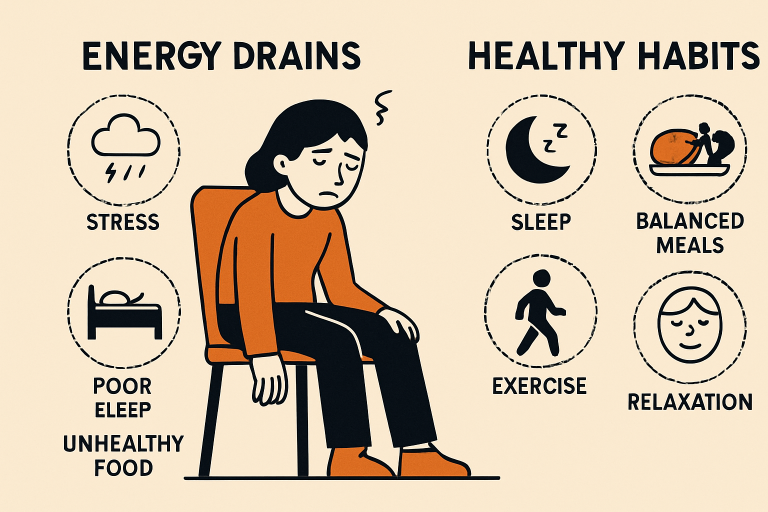
Strategies for Managing Stress and Enhancing Energy
Even if adrenal fatigue isn’t a recognized diagnosis, supporting your well-being through lifestyle measures can reduce fatigue and improve quality of life. Here are foundational steps that benefit overall energy:
1. Prioritize Quality Sleep
- Go to bed and wake up at consistent times each day—even on weekends.
- Transform your sleeping environment by dimming lights, silencing electronic devices, and lowering room temperature.
- Limit caffeine and alcohol consumption, especially in the hours leading up to bedtime.
2. Maintain a Balanced Diet
- Select nutrient-rich foods, including a diverse range of fruits, vegetables, whole grains, and healthy proteins.
- Steer clear of excessively processed foods and those high in refined sugars.
- Drink adequate water to support hydration and cellular energy.
3. Engage in Regular Physical Activity
- Aim for at least 150 minutes of moderate-intensity activity per week, as recommended by the Centers for Disease Control and Prevention.
- Combine aerobic activities with resistance training for overall stamina and strength.
- Choose forms of movement you find personally rewarding to encourage consistency.
4. Practice Stress-Reduction Techniques
- Try mindfulness exercises or meditation to lower stress hormone levels and promote relaxation.
- Commit time to joyful hobbies or meaningful social connections for emotional replenishment.
- Seek support from friends, support groups, or mental health professionals when needed.
Consulting Healthcare Professionals
Persistent or unexplained fatigue always warrants a conversation with a healthcare provider. A professional can assess for root causes, order necessary tests, and provide individualized guidance grounded in evidence-based medicine. Self-diagnosing or experimenting with unproven remedies can delay effective care and, in some cases, lead to harm. If you are concerned about your energy levels, make an appointment with your doctor to ensure the best outcomes for your health.
Conclusion
The popularity of adrenal fatigue as a diagnosis reflects a real need for solutions to fatigue. Still, the lack of scientific support means those symptoms should be carefully evaluated with a broad medical lens. Focus on sustainable lifestyle strategies and collaborate with medical professionals to uncover the root causes of your fatigue, paving the way toward lasting energy, resilience, and well-being.